 26 min
Documentary
Ancient Egypt Mysteries Ranked: Which Ones Are Actually Unsolved?
Fifteen famous ancient Egypt mysteries ranked from solved to genuinely open, each with a verdict based on the evidence.
Step into the role of Khufu's chief builder and test the theories against the evidence.
Nobody knows exactly how the Great Pyramid was built. What we do have are hard limits: about 2.3 million blocks, a reign of roughly two decades, a workforce housed and fed beside the plateau, the logbook of Merer recording boats carrying Tura limestone to Giza, and a Khufu-era hauling ramp at the Hatnub quarry. The lab turns those limits into a simple capacity model. Every course of stone waits for its slowest step: quarrying, hauling, traffic on the ramp, or space to set blocks at the top.
Try the five ramp theories with the same workforce and watch which constraint takes over. Near the summit the work slows because there is little room to set stone, not because the blocks get heavier. The results describe a simplified model with stated assumptions; they do not prove how the pyramid was built.
For the full story of the building site, read about the Great Pyramid, theGiza Plateau and Khufu, or playRise of Waset, our city-builder on the Nile. A thousand years after Khufu, the kings gave up pyramids for hidden tombs: explore them on the Valley of the Kings 3D map.
Documentary · 21 min · 4 Oct 2026 · 10 chapters
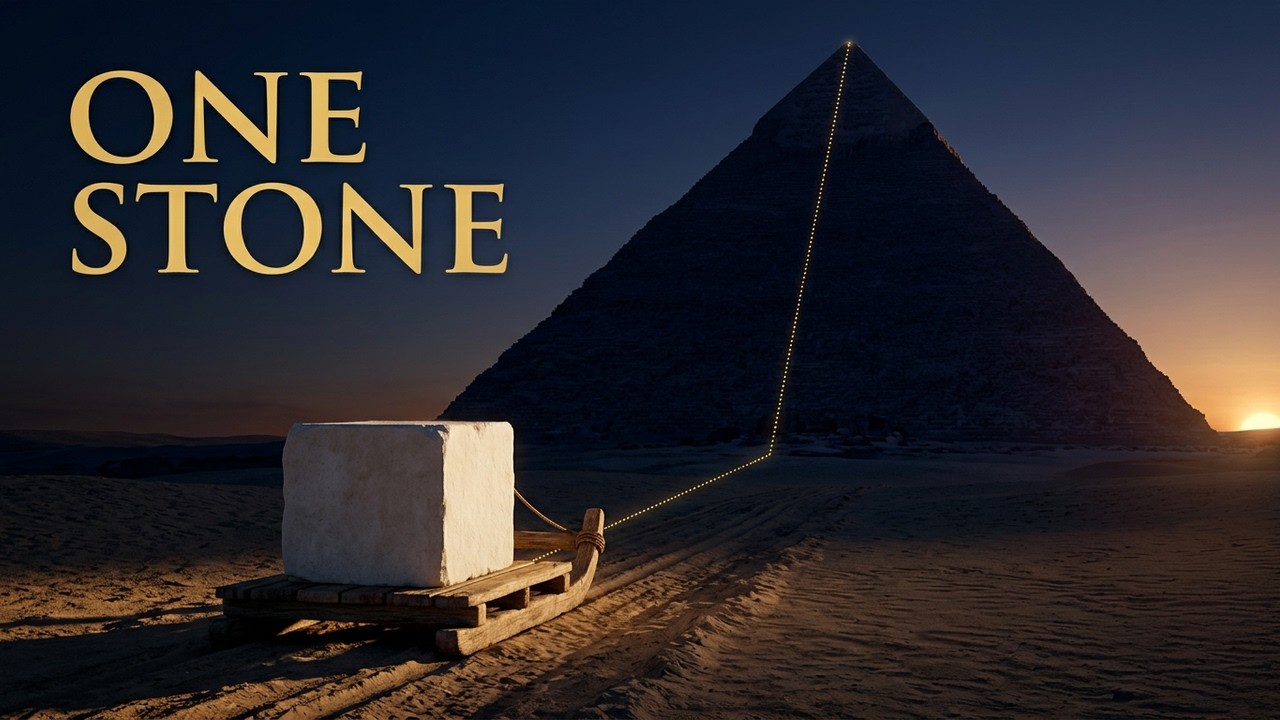
One casing block followed from the Tura quarries to the Great Pyramid, with the evidence each stage left behind, from Merer's logbook to the workers' town.
Playlist: Ancient Engineering
26 minDocumentary
Fifteen famous ancient Egypt mysteries ranked from solved to genuinely open, each with a verdict based on the evidence.
 24 min
Documentary
Every royal pyramid was broken open and emptied. Nine hundred years of pyramid building treated as an engineering programme — and why it was shut down.
 2 h 38 min
History for Sleep
Three thousand years of ancient Egyptian history, narrated slowly and quietly for sleep — told through the objects that survived.
pyramid
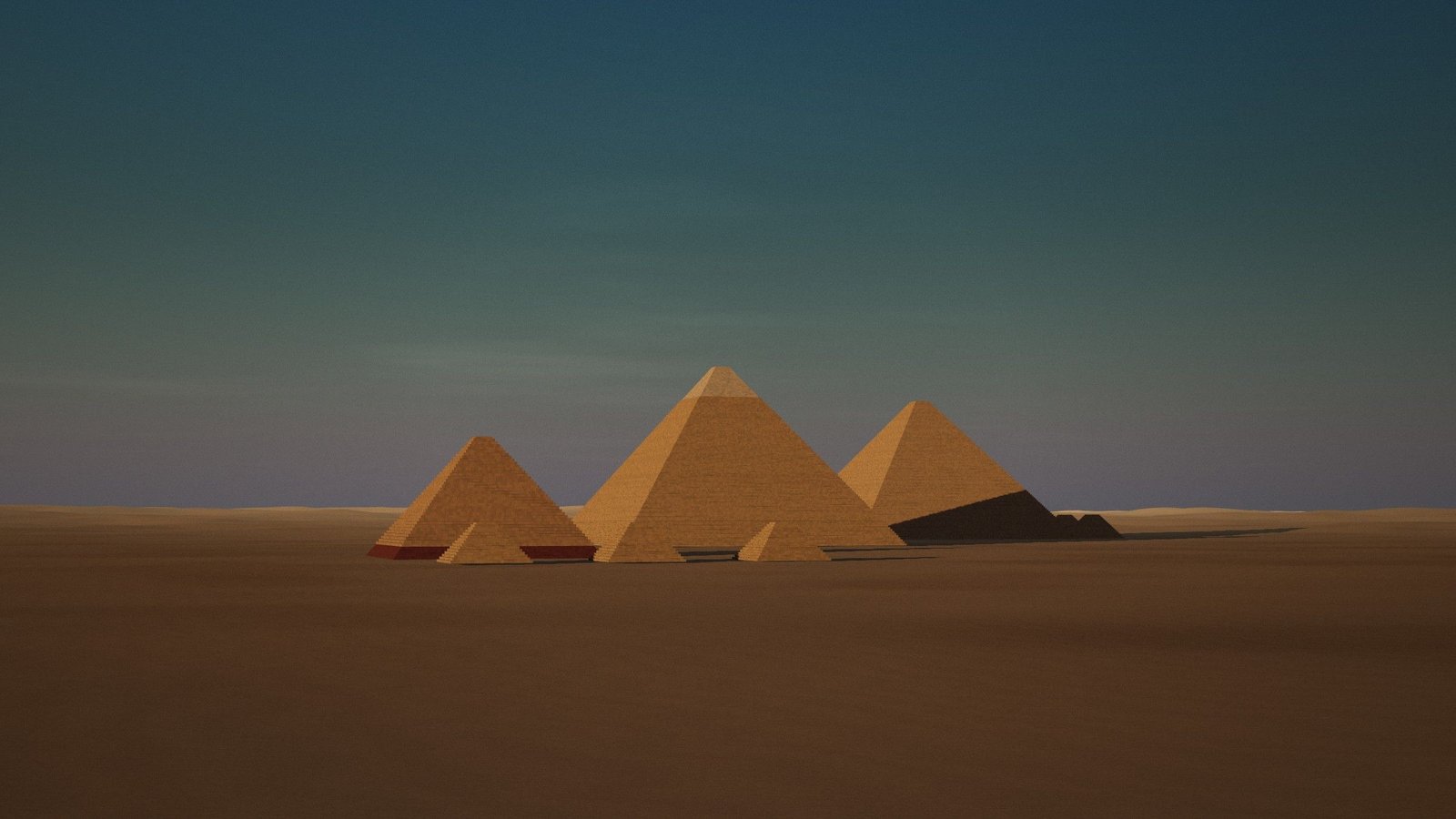
For more than 3,700 years the Great Pyramid was the tallest human-made structure in the world. It was built for Khufu, second king of the 4th Dynasty, during his reign (c.…
necropolis
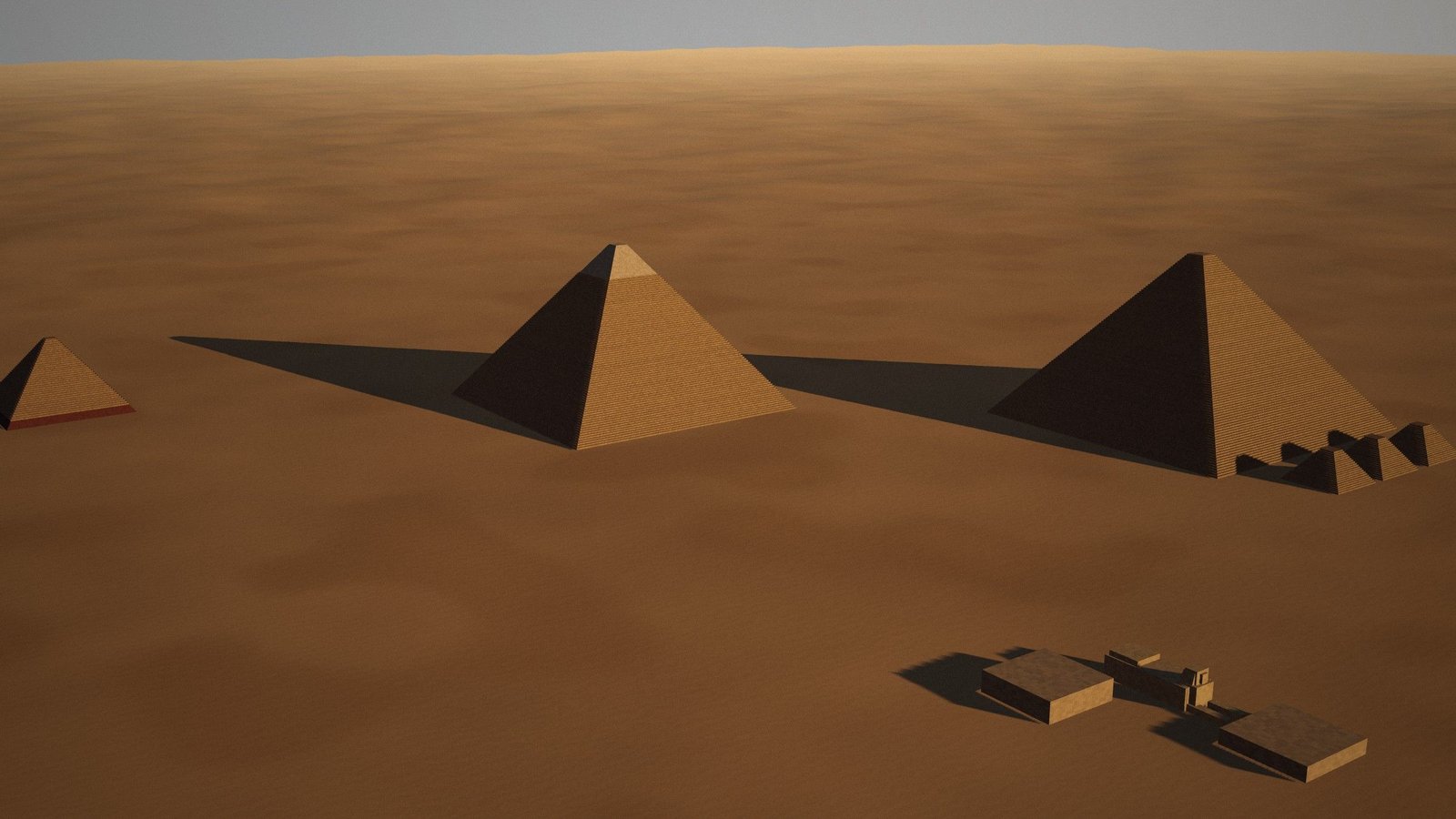
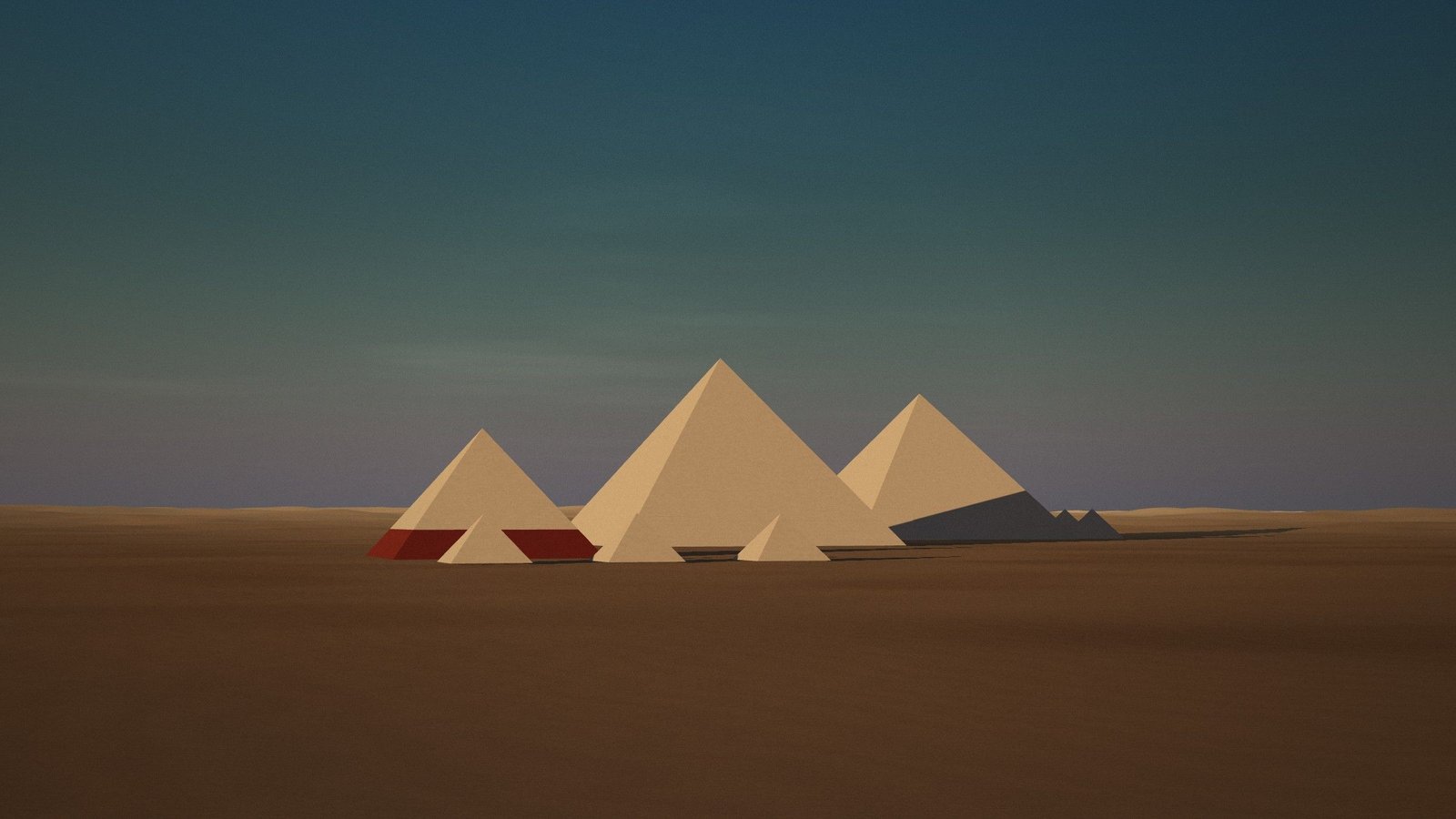
On a limestone ridge above the Nile floodplain, three kings of the 4th Dynasty built the most famous monuments of ancient Egypt. In about three generations, Khufu, Khafre and…
4th Dynasty
Son of Sneferu, the most prolific pyramid builder in Egyptian history, Khufu inherited both the know-how and the organisation to attempt something without precedent. The result…
 Interactive
 · 3D map
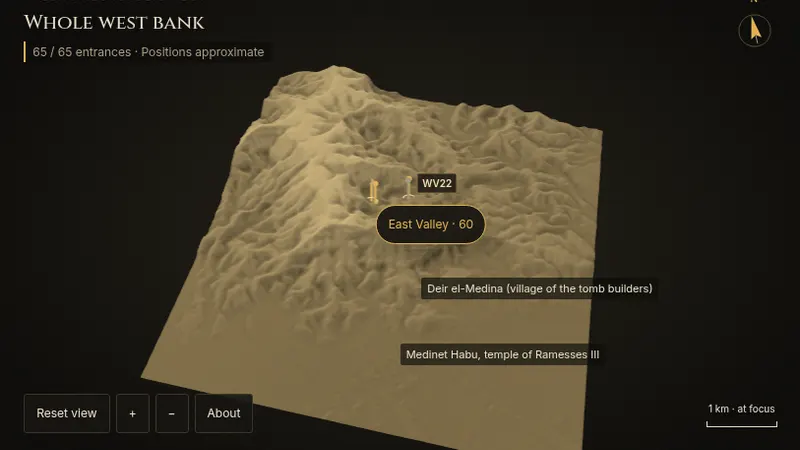
Fly over the real terrain of the royal valley, find 65 tombs and watch them appear in the order they were cut and discovered.
 Interactive
 · City-builder
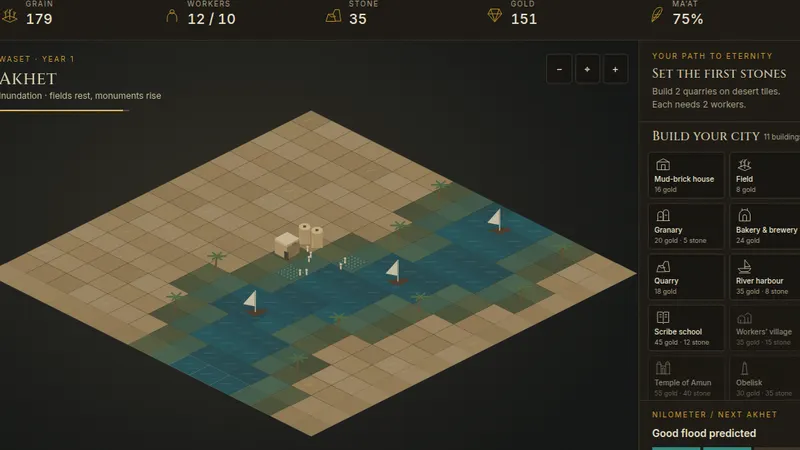
Found a city on the Nile, live through the flood seasons, keep Ma’at in balance and raise a pyramid. Free in your browser.